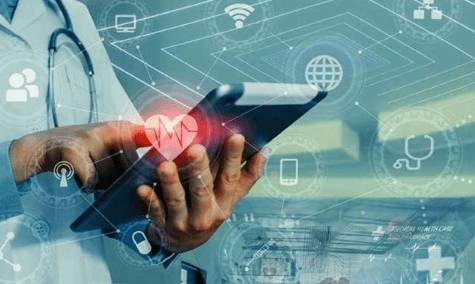
IoT in healthcare enables real-time monitoring and data-rich decision-making that extend beyond hospital walls. Interoperable systems and strong governance support timely, accurate handoffs across care settings. Privacy-by-design and robust security balance innovation with patient protection. Remote monitoring, predictive analytics, and actionable insights drive safer, more autonomous care journeys while reducing hospitalizations. Yet, questions remain about achieving seamless data flow, patient consent, and scalable interoperability as outcomes become increasingly measurable.
What IoT in Healthcare Delivers Today
IoT in healthcare today delivers a data-rich, patient-centered foundation for timely decision-making and optimized care pathways. The landscape emphasizes remote monitoring, enabling continuous observation beyond walls.
Patient empowerment grows as individuals access insights and participate in care.
System integration aligns devices and records, while real time alerting flags anomalies, supporting proactive interventions and strategic, freedom-minded choices in modern clinical settings.
How Data Flows Across Care Settings
Data flows across care settings through a carefully orchestrated, interoperable architecture that prioritizes accuracy, timeliness, and patient context. The approach emphasizes data governance to ensure accountability, consistency, and privacy, while enabling cross domain telemetry for real-time situational awareness. This framework supports seamless handoffs, reduces delays, and aligns care episodes with patient goals, enhancing outcomes and patient autonomy.
Key Technologies Powering Life-Saving Insights
The flow of interoperable data across care settings creates a foundation for the technologies that translate signals into actionable insights.
Remote monitoring enables continuous, patient-centered observation, enabling early intervention and reduced hospitalizations.
Predictive maintenance ensures device reliability, minimizing downtime and clinical risk.
Together, these tools drive strategic, data-driven decisions, empowering clinicians and patients to pursue safer, more autonomous care journeys.
Balancing Benefits With Privacy, Security, and Interoperability
How should healthcare systems maximize patient benefits from IoT while safeguarding privacy, security, and interoperability? The analysis emphasizes measurable outcomes, risk-aware deployment, and patient autonomy. Benefits hinge on standardized data sharing, robust authentication, and continuous threat assessment. Privacy by design and data minimization reduce exposure, enabling trusted analytics, interoperable platforms, and informed choices without compromising care quality or innovation.
See also: newsfeedinfo
Frequently Asked Questions
How Can Iot Reduce Pediatric Admission Times in Clinics?
IoT can reduce pediatric admission times by streamlining triage and data capture; it empowers rapid decision-making. This approach addresses recruitment challenges and strengthens data governance, delivering patient-centric, strategic insights for stakeholders seeking data-driven, freedom-oriented care innovations.
Do Wearables Improve Early Sepsis Detection in Hospitals?
Yes, wearables can aid early sepsis detection in hospitals. Sepsis biomarkers integrated into wearable dashboards enable continuous monitoring, enabling timely alerts. This data-driven, patient-centric approach supports strategic decision-making while offering clinicians a sense of operational freedom.
How Is Data Ownership Handled for Patient-Generated Iot Data?
Firmware flickers alert: data ownership hinges on clear patient consent and defined governance. Data ownership and patient consent shape access, control, and reuse of patient-generated IoT data, balancing autonomy with interoperability in a strategic, patient-centric framework.
Can Iot Cut Costs Without Compromising Care Quality?
IoT can cost optimize while preserving care quality, improving workflow efficiency and patient outcomes; data-driven strategies enable targeted investments, standardization, and proactive monitoring, aligning financial prudence with patient-centric goals and freedom to pursue innovative care pathways.
What Are Practical Steps for Rapid Iot Adoption in Aging Care?
Instantly, rapid deployment of IoT in aging care hinges on scalable platforms and clear governance. The approach prioritizes data interoperability, patient-centric metrics, and strategic stakeholder alignment, enabling freedom while delivering measurable improvements in safety, efficiency, and quality of life.
Conclusion
In this narrative, a hospital becomes a lighthouse and the patient a ship charting a sea of data. IoT serves as the steady beacon, guiding through storms of illness with real-time telemetry and prompts. Data flows like currents between shores—home and clinic—driven by privacy-by-design and interoperable protocols. When governance aligns with care, every safe harbor, alert, and handoff reduces risk, steering toward healthier journeys and calmer seas for all.
