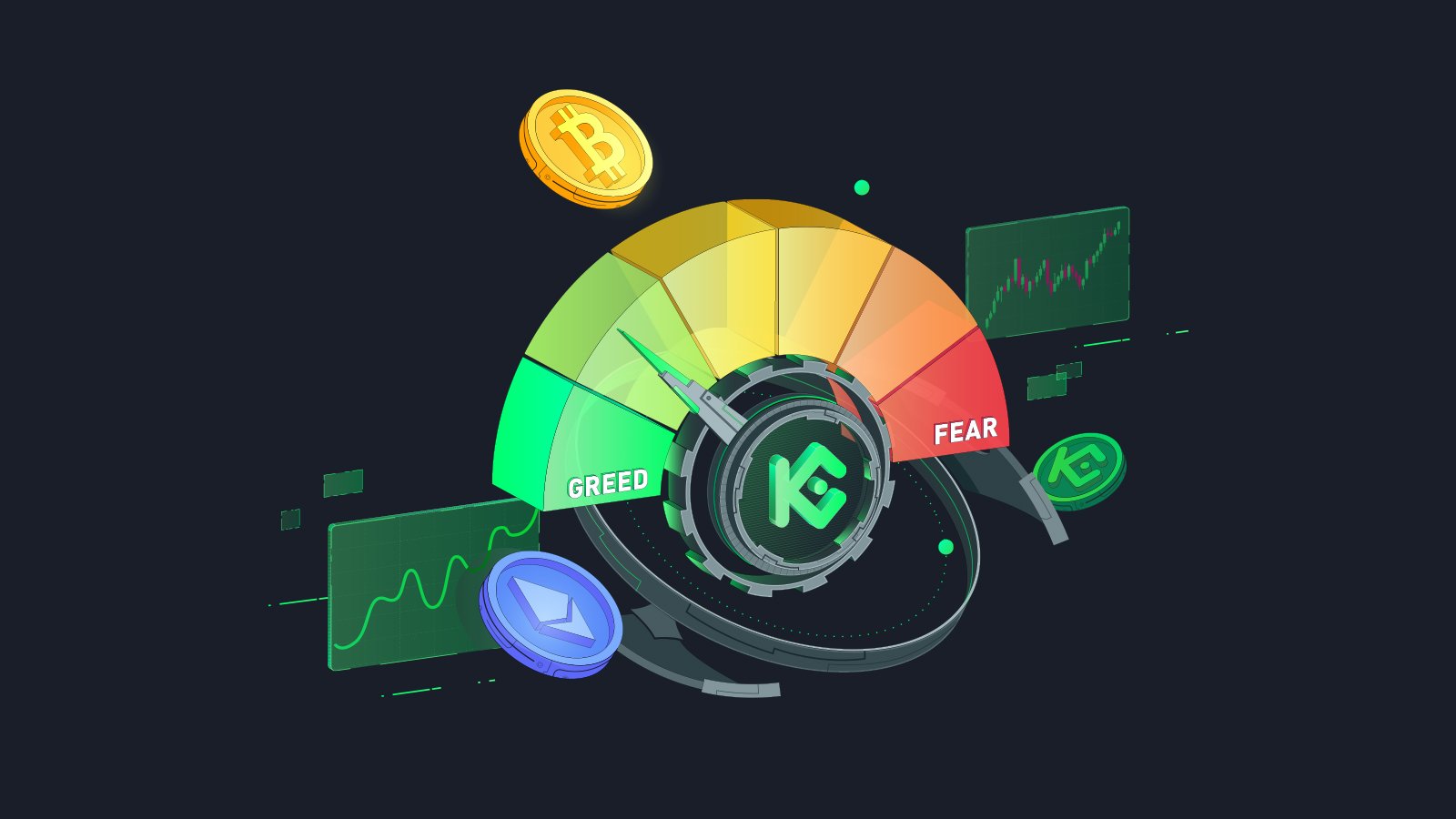
The Fear and Greed Index condenses multiple market signals into a single sentiment snapshot. It combines momentum, volatility, liquidity, and risk appetite to reflect prevailing mood. Interpreting the index requires caution, as extreme values can mislead without context. Traders and investors use it to gauge potential turning points and balance risk against fundamentals. Yet its usefulness hinges on disciplined application and awareness of its limitations, prompting further scrutiny of underlying drivers.
How the Fear and Greed Index Works
The Fear and Greed Index aggregates multiple market signals into a single sentiment gauge, presenting a snapshot of current investor psychology. It synthesizes risk sentiment, price momentum, liquidity concerns, and volatility spikes into a cohesive read. The approach emphasizes consistency, transparent methodology, and cautious interpretation, allowing freedom-minded readers to gauge market mood without overreliance on any single indicator or transient moves.
What Drives Market Mood: Fear vs. Greed Signals
Markets move on a balance of fear and greed signals, with each element signaling different pressures on trader behavior. The mood reflects risk appetite shifts, where fear compresses risk tolerance and greed expands it, pushing prices beyond fundamentals. Investors watch patterns for contrarian signals, seeking value when crowded bets inflate risk. Clarity remains essential to avoid impulsive, emotion-driven decisions.
Interpreting the Index for Trading and Investing
Interpreting the Fear and Greed Index for trading and investing requires translating its readings into actionable risk signals and position sizing.
The framework guides risk exposure by contextualizing extreme readings and moderating entries during reversals.
Traders assess risk reward dynamics and anticipate volatility impact, weighing potential drawdowns against upside.
Cautious interpretation reduces impulsive decisions and supports disciplined, freedom-oriented investment choices.
Practical Uses and Limitations of the Index
Practical uses of the Fear and Greed Index center on translating sentiment signals into disciplined risk management and position sizing, while acknowledging the method’s limits.
It informs risk assessment and highlights portfolio implications without guaranteeing outcomes.
Investors may supplement with fundamentals and valuation checks, using the index as a guide rather than a sole decision driver, maintaining discipline and humility.
Frequently Asked Questions
How Reliable Is the Fear and Greed Index Across Markets?
The reliability is limited; caution is warranted. Across markets, reliability caveats arise from differing data sources and sentiment signals, while cross market differences can distort comparisons, reducing predictive consistency and suggesting careful, diversified interpretation rather than universal applicability.
Does the Index Predict Short-Term Price Moves?
The index does not reliably predict short-term moves; it reflects sentiment and potential overextensions. Markets remain influenced by broader dynamics and market breadth, making any short-term forecast tentative, cautious analysis advisable for investors seeking freedom in approach.
Can External Events Skew the Index Readings?
External events can skew the readings, though the index maintains caution about sensitivity. The answer notes index sensitivity to macro shocks and sentiment shifts, suggesting results reflect broader factors rather than precise forecasts, and should be interpreted with prudence.
See also: IoT: Connecting the Physical and Digital Worlds
How Often Is the Index Updated?
The frequency updates are typically daily, with occasional intraday revisions in volatile periods. The assessment relies on data sources across sentiment and market metrics, carefully aggregated to avoid overreaction while preserving transparency for readers seeking independence.
What Are Common Misinterpretations of the Index?
Misleading readings often arise from overreliance on a single metric, while behavioral biases distort interpretation. The index should be contextualized, cross-checked with market conditions, and viewed as one signal among many influencing investment freedom.
Conclusion
In markets, fear and greed stand as opposite catalysts, yet neither alone governs outcomes. The Fear and Greed Index condenses mood into a single barometer, offering clarity amid noise. It highlights when risk appetite surges like a flood, or retreats as a drought quickens. Still, it is a compass, not a map: signals must be weighed against fundamentals, catalysts, and risk tolerance. Juxtaposed readings warn against impulsive bets, urging cautious, disciplined interpretation rather than reactionary trading.
