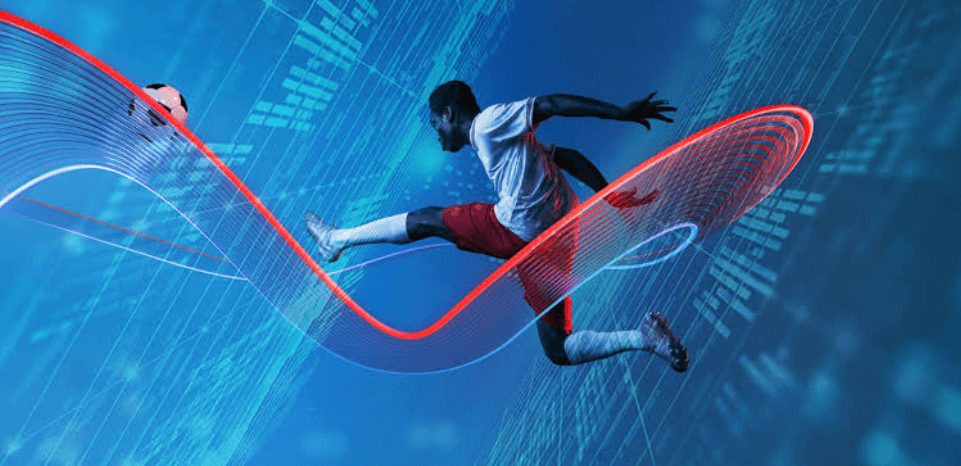
Sports updates have become a constant stream of short signals. A fan may see a lineup alert, a training clip, a player stat, a transfer note, and a match reaction before opening a full article. Athletes now appear across feeds as living data points, visual brands, and media stories that change throughout the day.
This shift affects more than sports platforms. It also changes how users expect online entertainment to be organized. A format such as desi casino slots game belongs to a wider screen culture where people want faster recognition, cleaner categories, and fewer steps between interest and selection. Discovery is no longer about showing everything at once. It is about helping users find the right next option before attention moves elsewhere.
Athletes Became Feed Native Media Brands
Famous athletes are no longer followed only during matches. Messi, Ronaldo, Serena Williams, LeBron James, and Max Verstappen exist across highlight clips, stat graphics, social posts, short interviews, sponsor visuals, and live updates. Their presence is broken into quick pieces that can be scanned in seconds.
This has trained users to process sports content differently. A small image, a team color, a name card, or a performance number can explain the context almost immediately. Fans do not need a long setup to know why an update matters.
Online game platforms can learn from this behavior. The first screen should make options recognizable before the user has to read every label.
Game Discovery Is Moving Toward Feed Logic
Old catalog thinking puts many choices in one place and expects users to sort through them manually. Feed logic works differently. It understands that attention is limited and that context helps people move faster.
Sports feeds sort content by teams, athletes, tournaments, live events, and personal interests. Online game discovery can apply the same structure through game type, visual style, recent activity, session length, and user preferences.
The aim is not to remove browsing. Browsing still matters. The better approach is to reduce wasted scanning so users can move through a platform with less friction.
Visual Recognition Shapes the First Click
Athlete updates work because they are visually efficient. Users can recognize a player card, team badge, match graphic, or score alert before reading every detail. Strong online game screens need the same kind of instant clarity.
A useful discovery screen often includes:
- Clear thumbnails that separate one option from another.
- Category labels that match real user intent.
- Recent activity placed where returning users can see it.
- Search and filters that remain easy to access.
- Control options that do not disappear behind hidden menus.
When these elements are handled well, the interface feels easier to trust. The screen stops acting like a crowded shelf and starts acting like a guide.
AI Feeds Raise Expectations for Relevance
AI sports feeds can learn from favorite teams, leagues, athletes, and recent behavior. A fan who follows basketball may see different updates than someone focused on Formula 1 or tennis. The feed becomes more useful because it reacts to patterns.
Online game discovery can use a similar idea, but it needs visible logic. Recommendations should not feel random. A platform can explain suggestions through recent activity, popular categories, new releases, or similar visual styles.
Control remains necessary. Users should be able to search manually, reset filters, ignore suggestions, and explore outside the recommended path. Personalization works best when it saves time without narrowing choice too much.
Athlete Feeds Show Why Timing Matters
Sports updates are powerful because they arrive at the right moment. A lineup alert before kickoff feels useful. A highlight after a match-winning shot feels timely. A late update with no context feels weaker.
Online game discovery also depends on timing. Recently opened options should appear when users return. Trending sections should be easy to separate from personal suggestions. New content should be visible without taking over the screen.
Good timing makes a platform feel responsive. Poor timing makes even useful content look misplaced.
The Next Discovery Habit
Sports newsfeeds have changed how people read digital screens. Users now expect relevance, visual clarity, and quick paths to the next action. Online game platforms will need to meet the same standard.
The future of discovery will not come from larger catalogs alone. It will come from better sorting, clearer screen signals, and recommendations that respect user control. Athlete feeds already show the direction: content feels stronger when it reaches the right person in the right format at the right time.
